About the Department
Our history, mandate and the work we do across Nagaland’s hill districts.
History
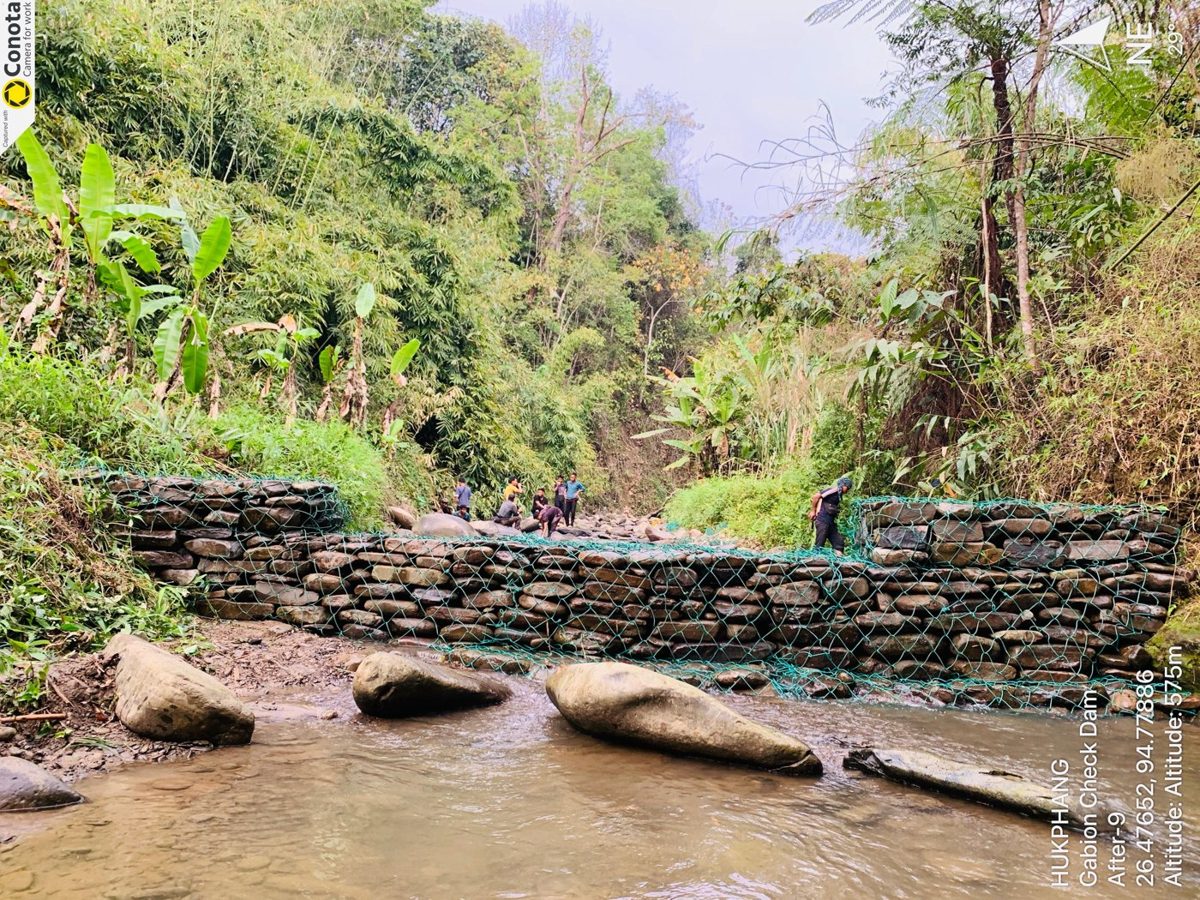
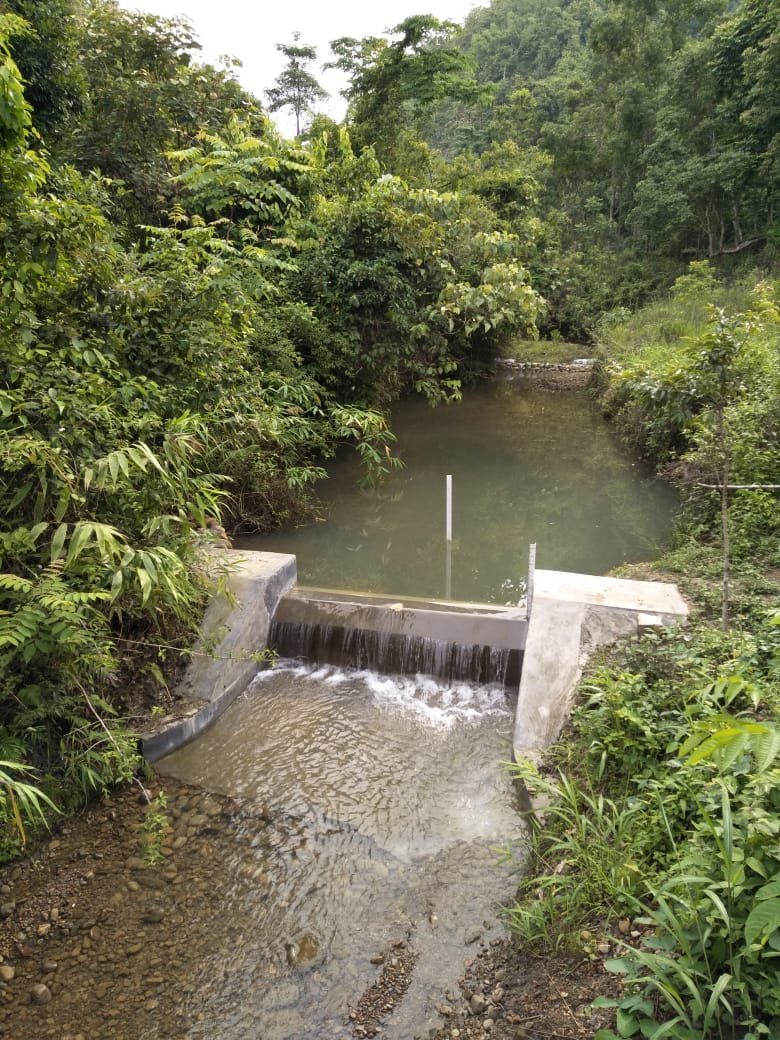
The Department of Soil & Water Conservation was established in 1968. Since then, it has worked across Nagaland’s hill districts to conserve soil and water resources and support the state’s largely agrarian economy.
Our Mandate
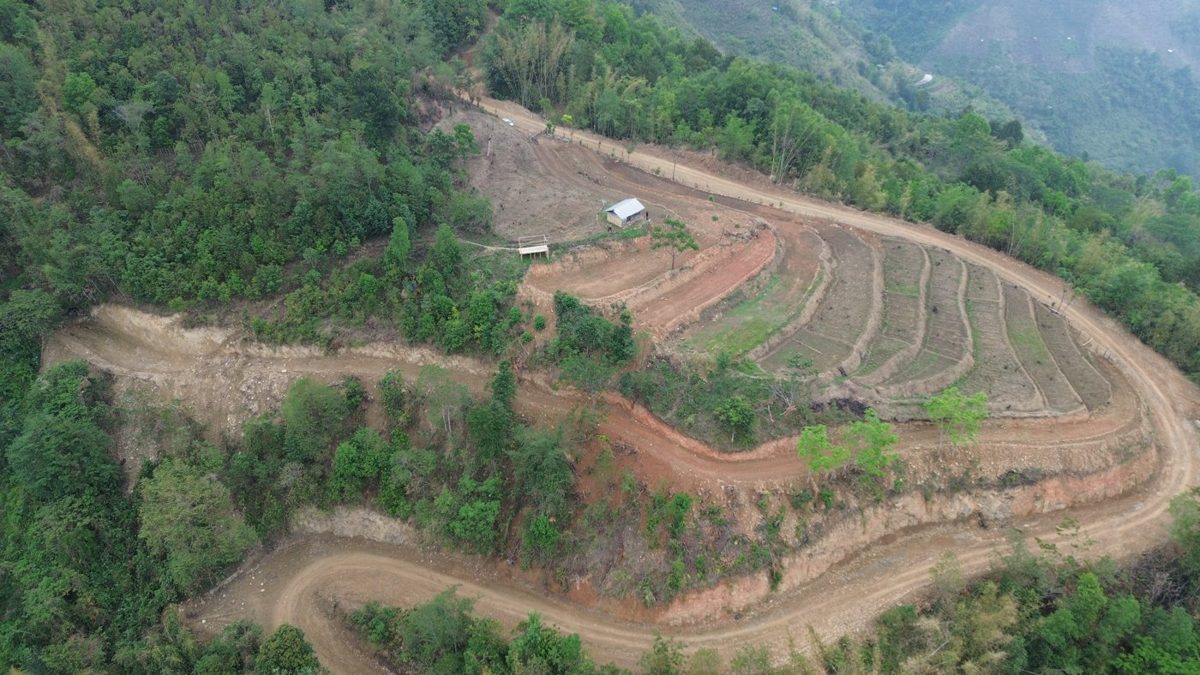
The state of Nagaland is agriculturally one of the most backward, with low productivity and poor livestock production. Its hill terrain — broken into spurs and ridges and exposed to heavy monsoon rainfall — is highly sensitive to runoff and soil erosion. With the economy closely tied to agriculture and forestry, the Department safeguards the state’s natural resource base against the growing impact of climate change.
As per the Nagaland Rules of Executive Business, 2020, the following mandates are allotted to the Department:
- Land use and Natural Resource Management
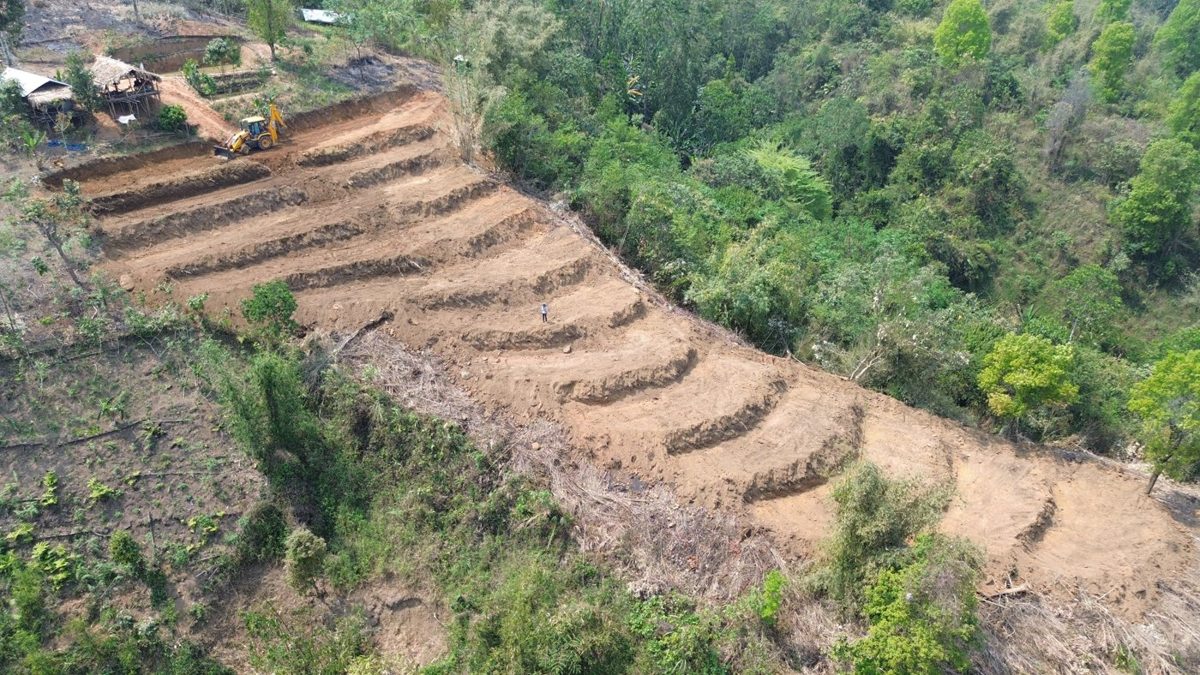
- Land Development and Reclamation
- Soil survey, testing and Reclamation
- Control and Mitigation of shifting cultivation
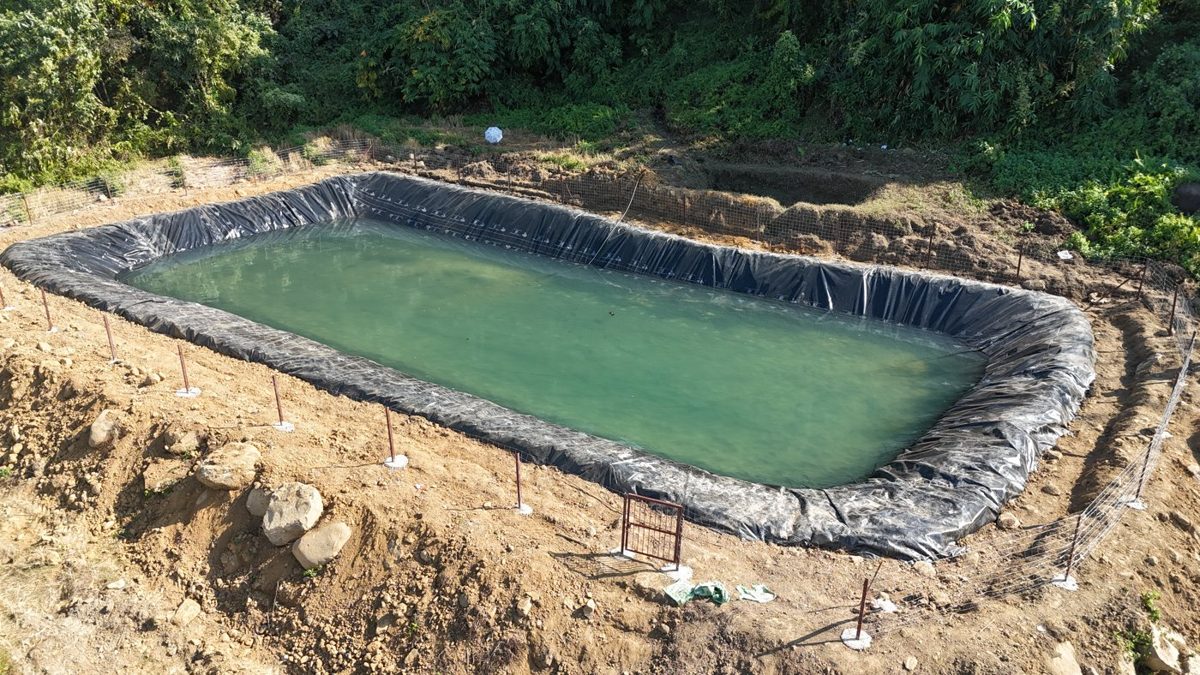
- Water Resources and Cultivation
- Integrated Watershed Management and Development
- Application of Remote Sensing
- Meteorology and Data Banking
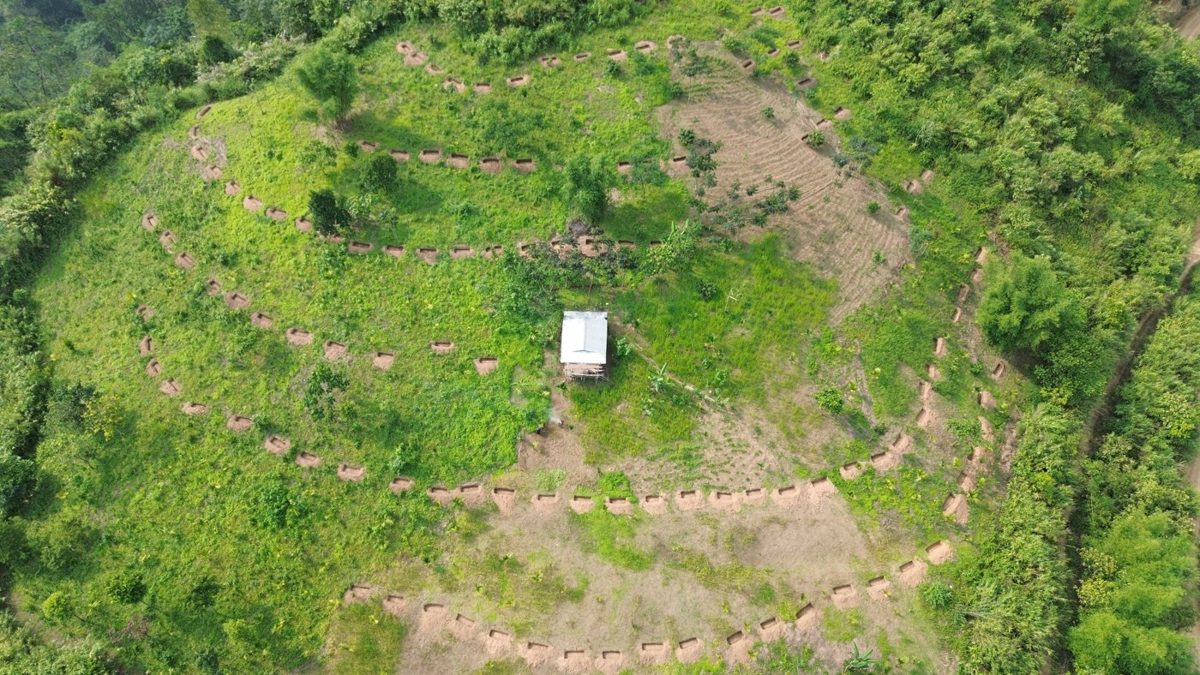
- Control and Mitigation of Soil Erosion
- Soil Health Management
- Conservation Forestry
- Conservation Agronomy
- Conservation Horticulture